
Have you ever found yourself thinking:
“My dog knows what I’m asking… so why won’t they do it?”
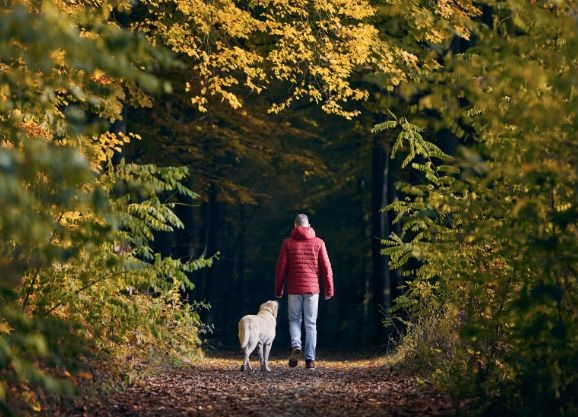
Maybe your dog has a brilliant recall in the garden, but the moment you step into the fields or woodland, squirrels, smells and other dogs suddenly become far more interesting.
Maybe your dog walks beautifully in one place but pulls like a train somewhere new. Or perhaps you’ve been working hard on training, but it feels like you’re constantly battling against the environment.
It can be frustrating when it feels like your dog is choosing not to listen.
But what if we looked at it another way? What if your dog isn’t ignoring you?
What if they’re simply responding to what’s happening around them?
Dogs don’t learn in isolation. Their ability to focus, make good choices and engage with us depends on how they’re feeling, what needs they have, and the relationship we have built together.
Before I start working on any behaviour, there are five questions I always come back to.
1. Does my dog feel safe?
This is number one for a reason.
When we feel unsafe, our bodies don’t prioritise learning.
Think about a time you felt frightened, overwhelmed or under pressure. Someone shouting instructions at you in that moment probably wouldn’t help. Your brain is focused on getting through the situation, finding safety and protecting yourself.
Dogs are no different.
When a dog feels unsafe, their body may move into a state where survival takes priority over learning. Flight or fight response.
They may feel unsafe because of:
- sudden movement
- loud or unexpected noises
- threatening body language from people or dogs
- feeling trapped
- overwhelming environments
- anticipation that something unpleasant may happen
And this can look different for every dog.
Some dogs will run away. Some will bark. Some will freeze. Some will appear to “ignore” everything around them.
Before asking: “Why won’t my dog do this?”
try asking: “Does my dog feel safe enough to learn right now?”
Safety is the foundation everything else is built on. Without it, learning becomes incredibly difficult.
This is also why approaches that rely on fear, intimidation or punishment can make training harder. If a dog starts anticipating something unpleasant, they are less likely to feel safe enough to engage and learn.
2. Have my dog’s needs been met?
Dogs are dogs. Training won’t have much of an impact if we do not meet their basic needs.
They need:
- food, water and shelter
- safety and security
- opportunities for choice and agency (having some control over what happens to them)
- physical exercise
- mental enrichment
Mental enrichment might include:
- sniffing
- exploring their environment
- training
- problem solving
- scent games
- appropriate puzzles
But it also means recognising that different dogs have different needs.
A collie may have a strong instinct to herd. A beagle may have an incredible desire to sniff and track. A Labrador may love carrying and retrieving things.
These aren’t problems to remove. They’re normal parts of being that breed.
If we constantly try to prevent dogs from expressing normal behaviours without giving them appropriate outlets, they often find other ways to meet those needs.
Understanding your dog’s needs allows you to work with who they are, rather than constantly fighting against them.
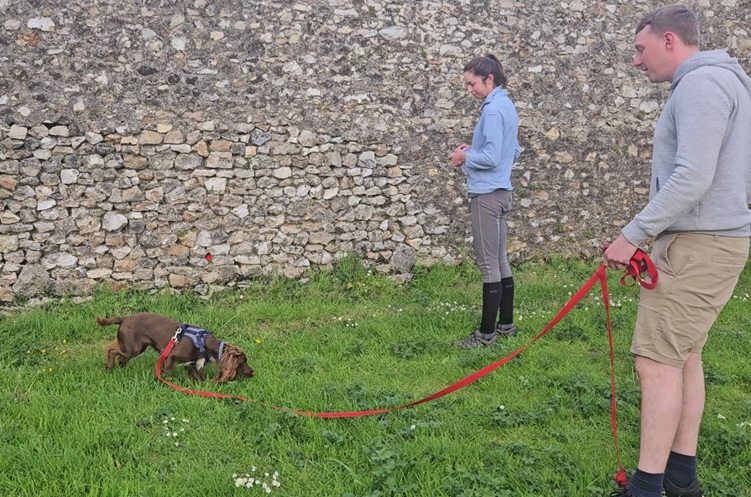
Breed-specific needs can have a huge influence on behaviour. For example, if your spaniel or terrier loves to sniff and hunt, trying to suppress those instincts completely is often frustrating for both of you. Instead, we can find safe, appropriate ways to channel them. I talk more about this in my article on understanding prey drive.
3. Have we built a connection?
It might sound a little corny, but having a good relationship with your dog can make so many things easier.
Connection isn’t about your dog being focused on you every second. It’s about creating a relationship where your dog enjoys being with you and feels secure in your presence.
When you:
- help your dog feel safe
- spend quality time together
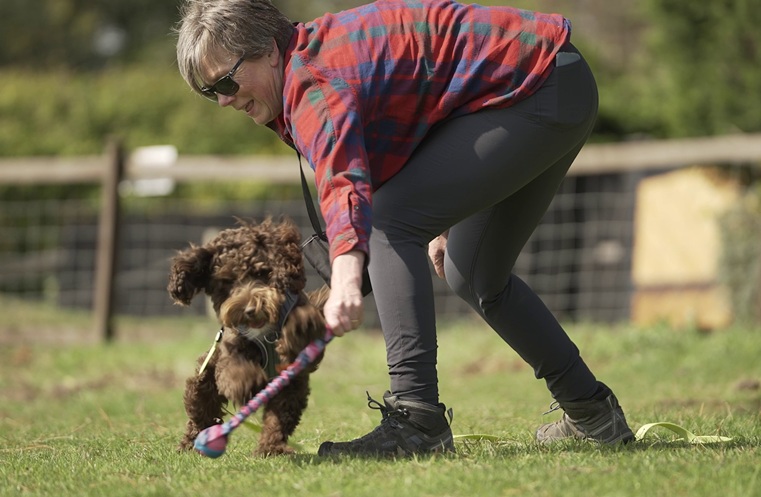
- play together
- meet their needs
- share enjoyable experiences
you build a foundation of trust, and that foundation matters.
A dog who enjoys engaging with you is much more likely to choose you when something exciting appears.
It can make recall easier when there are distractions like other dogs or squirrels.
It can make walks more enjoyable because your dog sees you as part of the fun, not just the person holding the lead.
It can even help prevent problems from becoming bigger.
However, the opposite is also true. If the relationship becomes filled with frustration, conflict or pressure, your dog may become less likely to engage with you.
For example:
- shouting when they eventually return
- making coming back always mean the fun ends
- jerking back on the lead to stop them from doing things
These moments can affect how your dog feels about interacting with you.
Connection doesn’t mean your dog will always choose you over everything else, but it gives you a much stronger foundation to build from.
4. Are we enjoying this together?
This final question is just as important for you as it is for your dog.
Training is a relationship. It involves two individuals. If you stop enjoying the process, it can start to feel like a chore.
You might become frustrated, you might lose motivation, you might start feeling like training is just another thing on your to-do list.
And your dog will feel that too.
If either of you stops enjoying something, pause.
Ask: “How could I make this easier or more enjoyable?”
Sometimes it only takes small changes:
- choosing a different environment
- making the exercise easier
- taking the pressure off
- adding more play
- changing the reward
You don’t have to do things a certain way just because someone else told you that you should.
Training should work for both ends of the lead.
5. Is choosing me rewarding?
Even with a great relationship, there will always be things in the world that are incredibly exciting to dogs.
A fascinating smell, a rabbit running past, a favourite toy, another dog to play with. The environment can offer some pretty impressive competition!
And that’s okay.
We don’t need to pretend we can always be more exciting than everything else around us. Instead, we can build value in choosing us.
Think about what your dog genuinely enjoys:
- food
- toys
- chasing games
- sniffing
- digging
- exploring
- playing
- interacting with other dogs
These things can become rewards for your dog choosing to engage with you.
A recall isn’t just: “Come back because I asked.”
It’s: “Come back because good things happen when you do.”
When you become the person who helps your dog access the things they love, you become incredibly valuable.
Before changing the behaviour, answer the questions
Whether you’re working on:
- loose lead walking
- recall
- jumping up
- distractions
- calm behaviour around other dogs
the same questions apply.
Before asking: “How do I stop my dog doing this?”
try asking: “What does my dog need from me right now?”
Sometimes the biggest changes happen when we stop focusing only on the behaviour we can see and start looking at what is happening underneath.
Because training isn’t about creating a dog who simply does what they’re told.
It’s about building a relationship where you and your dog understand each other.
Want to explore these five questions in more detail?
I’ve created a free guide:
The Five Questions Every Dog Is Answering – Why training gets easier when you stop asking “How do I stop this behaviour?”
Inside you’ll discover why your dog is constantly answering these five questions and simple, practical ways to help them answer “yes”.
Continue reading
If you’d like to dive deeper into some of these topics, here are a few articles that build on the ideas in this post: