
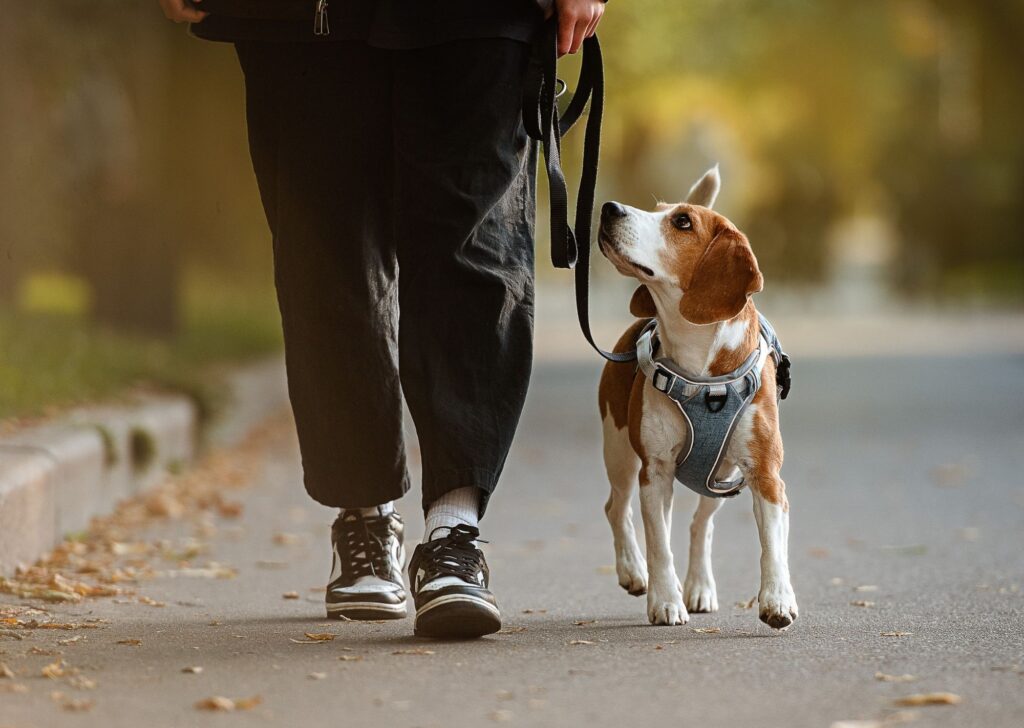
If your dog pulls on the lead, you’re not alone.
Loose lead walking is one of the most common things people ask me for help with. It’s also one of the most frustrating. Walks that should be relaxing can quickly become exhausting when you’re being dragged from one lamppost to the next.
Pulling isn’t a sign that your dog is stubborn, dominant, or trying to be in charge. In most cases, they’re simply doing what dogs do naturally: moving towards things they want to investigate.
Understanding why your dog pulls is the first step towards helping them walk more calmly.
Why Do Dogs Pull on the Lead?
Dogs are naturally curious. The world is full of interesting smells, sights, sounds, and opportunities.
When your dog sees another dog, spots a squirrel, catches an exciting scent, or simply wants to get somewhere faster, pulling often works. Every time they pull and successfully reach the thing they’re interested in, pulling is reinforced.
Many dogs have also never been taught that walking close to their person is worthwhile. We often expect loose lead walking to happen automatically, but it’s actually a skill that needs to be taught.
Before You Start Training
One of the biggest mistakes people make is focusing solely on the lead. Loose lead walking isn’t really about the lead at all.
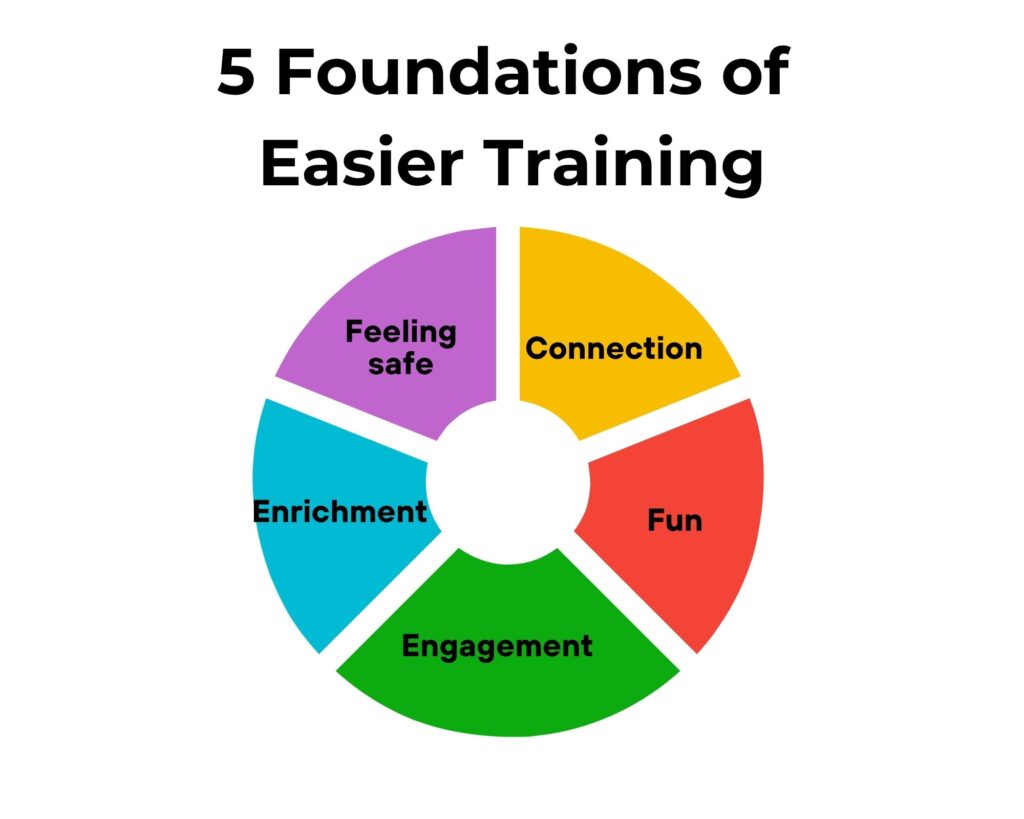
Dogs generally find it much easier to walk calmly when:
- They feel safe and comfortable in their environment
- They enjoy spending time with their person
- They have learnt that checking in with their person is rewarding
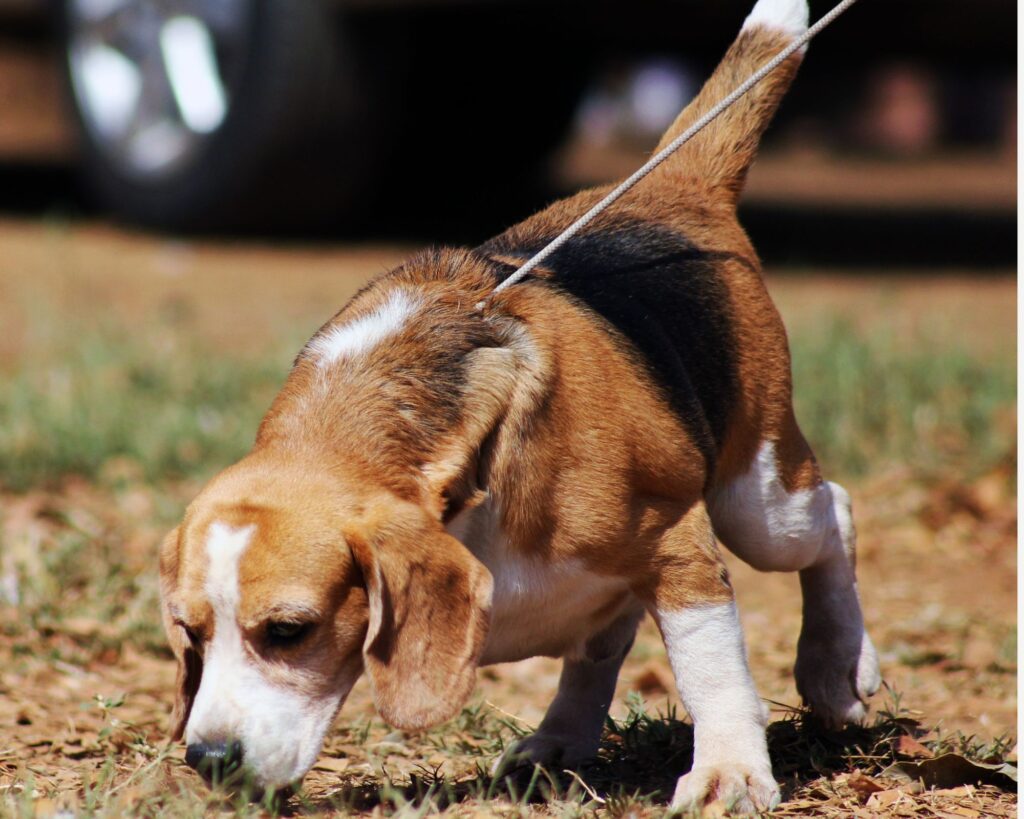
- Their needs for sniffing, exploring, and enrichment are being met
- The environment isn’t more difficult than they can cope with
If your dog is worried, overwhelmed, over-excited, or constantly scanning the environment for things they want to chase, lead walking will be much harder.
Start Somewhere Easy
Many people begin training on busy walks surrounded by distractions. Instead, start somewhere your dog can succeed.
This might be:
- Your garden
- Your driveway
- A quiet car park
- A quiet street
- A field with plenty of space
If your dog is already pulling hard before training has even begun, the environment may simply be too difficult.
Reward Attention
Before worrying about walking perfectly beside you, teach your dog that paying attention to you is valuable.
Take some tasty treats with you.
Whenever your dog chooses to look at you, check in with you, or move towards you, calmly mark the behaviour and reward it.
At first, you’re not asking for anything complicated. You’re simply helping your dog discover that you are worth paying attention to.
Many guardians are surprised by how much easier loose lead walking becomes once their dog starts regularly checking in.
Keep Moving When the Lead is Loose
The environment itself is a powerful reward. It’s usually what dogs want access to the most!
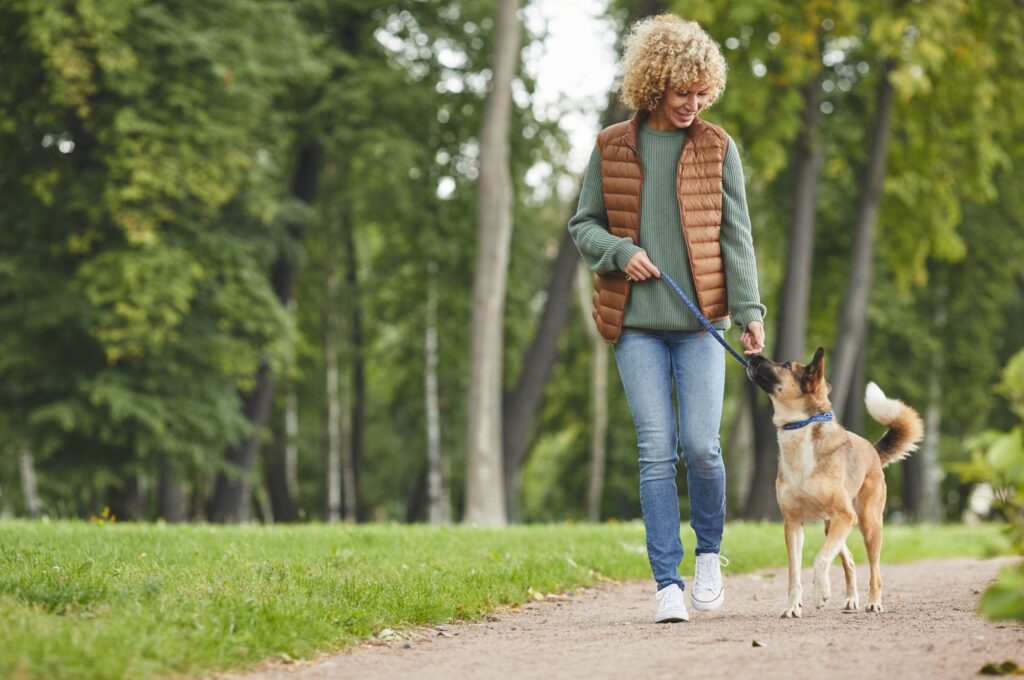
When the lead is loose, continue moving forward and reward your dog with food and praise as they walk with you.
When the lead becomes tight, stop.
When they look back at you, reward the attention with some food by your foot (so they come back), then continue walking and reward the movement with food and praise.
Over time, your dog begins to learn that a loose lead makes good things happen, while pulling doesn’t get them where they want to go.
This sounds simple, but consistency is important. If pulling sometimes works and sometimes doesn’t, learning becomes much slower.
Let Your Dog Be a Dog
Many dogs struggle with loose lead walking because every walk is treated as a training exercise.
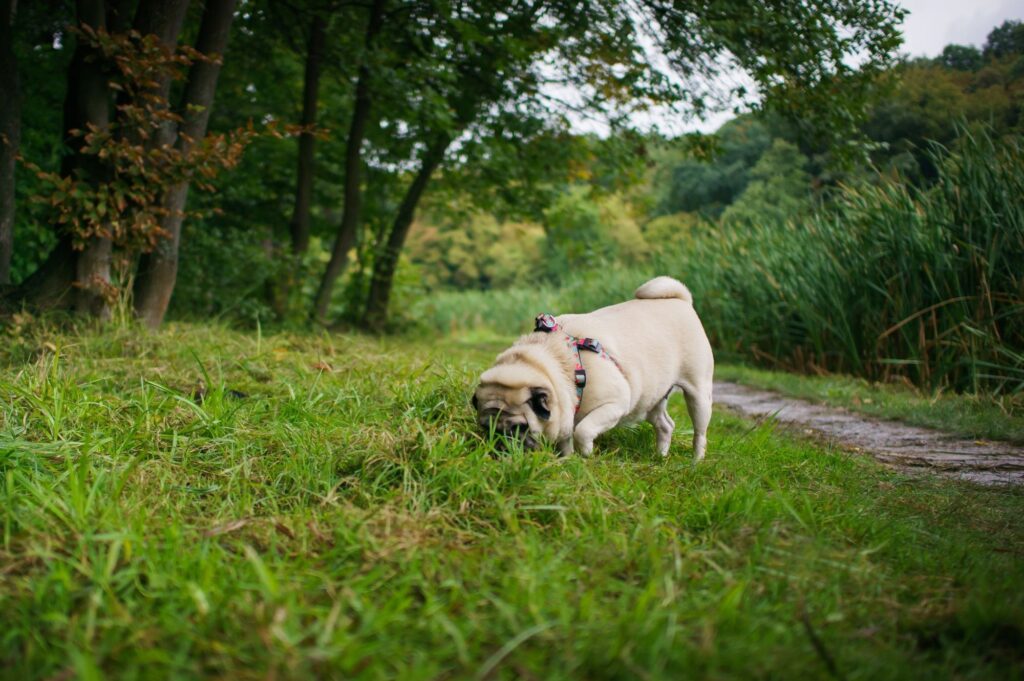
Dogs need opportunities to sniff, explore, and investigate their surroundings. Sniffing is incredibly enriching and can help many dogs feel calmer and more relaxed.
Where it’s safe to do so, build sniffing opportunities into your walks. You might walk nicely for a short distance and then release your dog to go and investigate a scent.
Walking politely and enjoying the environment don’t have to be mutually exclusive.
Remember That Progress Isn’t Linear
Most dogs don’t suddenly wake up one day and walk perfectly on a loose lead.
Progress often looks like:
- More frequent check-ins
- Shorter periods of pulling
- Faster recovery after distractions
- Better walking in familiar locations
- Gradual improvements over time
There will be good days and difficult days. That’s completely normal.
When Loose Lead Walking Feels Impossible
If you’ve been working on loose lead walking for a while and aren’t seeing progress, it’s worth considering whether something else is getting in the way.
Fear, frustration, over-arousal, lack of engagement, unmet enrichment needs, or simply working in environments that are too difficult can all make loose lead walking much harder.
Training is most successful when we focus on the foundations first.
A dog who feels safe, enjoys interacting with their person, and has learnt that paying attention pays well will generally find loose lead walking much easier than a dog who is constantly overwhelmed by their environment.
Loose lead walking isn’t about control.
It’s about teaching your dog that staying connected with you is rewarding while still allowing them to enjoy being a dog.
Be patient, celebrate small wins, and remember that every moment your dog chooses to engage with you is a step in the right direction.
And if you’re struggling, you’re not failing. Loose lead walking is one of the most challenging skills many dogs and their guardians learn together.
Answering these 5 questions might help…