
The Dog Who Couldn’t Stop Digging
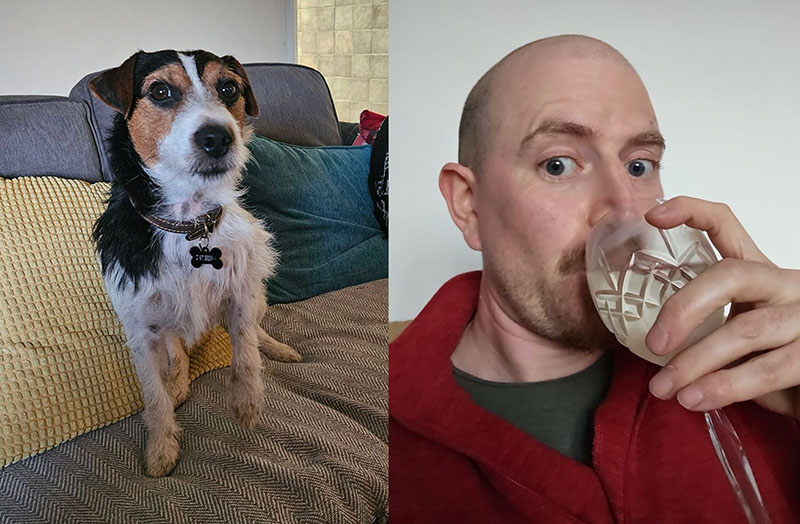
I’d just got home from seeing a lovely Parsons Russell Terrier with a bit of a problem.
If he was left alone in the garden, even for a few minutes, he’d start digging. And once he started, that was it. No getting through to him, no interrupting him.
He needed to do it.
Because digging made him feel better.
It was active, satisfying, and over time it had become a habit, one that reinforced itself every time he practised it.
The Same Pattern in Humans
When I walked through the door, Alex was on the sofa, phone in hand. He glanced up at me with a slightly guilty expression.
I know that look.
It’s his “I’ve been worrying” face.
He told me he’d just spent the last 15 minutes worrying about the shape of his head.
He’d been editing a YouTube video, caught sight of the back of his head… and then gone down the rabbit hole. Googling. Comparing it to others. Overthinking.
Now, this is a man who hates wasting time. He’s very protective of it.
But anxiety doesn’t care about that. It pulls you in anyway and is very destructive.
Before you know it, you’re stuck in a loop, doing something that feels weirdly compelling in the moment, but ultimately just makes things worse.
Why These Behaviours Happen
I told him I’d just been working with someone who’d been doing the exact same thing.
Different behaviour.
Same pattern.
Whether it’s digging holes or Googling head shapes, the underlying process is identical:
👉 The behaviour feels good (or relieving) in the moment
👉 So it gets repeated
👉 And over time, it becomes automatic
And the more something is practised, the stronger it becomes.
How to Break the Cycle
For the dog, the plan was simple:
- Reduce the opportunity to practise the behaviour
- Interrupt the pattern before it starts
- Replace it with something more appropriate
And honestly?
It’s not that different for us.
For Alex, that looks like:
- Putting his phone away in the evenings (especially in winter, when he’s more prone to negative spirals)
- Having a clear plan for “what happens after work”. Particularly when I’m not there to help him stick to it.
- Filling that time with something engaging but positive: watching Downton Abbey, knitting, reading, even a sudoku puzzle. Enough to keep his busy brain busy but in a relaxing way. If that makes sense!
Not switching his brain off completely…
Just giving it something better to do.
What This Means for Your Dog
If your dog is stuck in a behaviour loop, digging, barking, pulling on the lead, reacting to other dogs, it’s not just about stopping them in the moment.
It’s about breaking the cycle.
And that means:
- Catching it early (before they’re fully “in it”)
- Preventing them from rehearsing it over and over
- Giving them a better, more rewarding alternative
Because at the end of the day:
What gets practised gets stronger.
Need Help With Your Dog?
If your dog is stuck in a behaviour pattern like this, you don’t have to figure it out alone.
I work with owners to break these cycles in a kind, practical way, so you can both feel more relaxed and in control.
If you’d like help, you can find more information about my training and 1-1 sessions on my website, or get in touch for a chat.